beginners guide to planting hellebores for yearround blooms
If you are looking for stunning flowers that provide colour even in the depths of winter, hellebores are an excellent choice. These perennial plants are often known as Christmas roses or Lenten roses, and they are celebrated for their ability to bloom from late winter to early spring. Here is a comprehensive guide for beginners on how to plant and care for hellebores, ensuring you enjoy their beauty throughout the year.
Choosing the Right Hellebore Variety
Before you begin planting, it is essential to choose the right variety of hellebore. There are several types to consider, including the Helleborus niger, which produces pure white flowers, and Helleborus orientalis, known for its wide range of colours. For a more exotic look, consider Helleborus foetidus, with its unique green flowers. Selecting varieties that are suited to your local climate will lead to the best results.
Ideal Planting Conditions
Hellebores thrive in partial to full shade, making them perfect for woodland gardens or areas that receive dappled sunlight. They prefer moist, well-drained soil rich in organic matter. To prepare your planting area, incorporate plenty of compost or well-rotted manure into the soil. This will not only enhance soil fertility but also improve drainage, which is crucial as hellebores do not tolerate waterlogged conditions.
People Also Look For:
- Hellebores Flower Coloring Book: Discover the Enchanting Beauty of Hellebores A Winter Bloom Coloring Book.
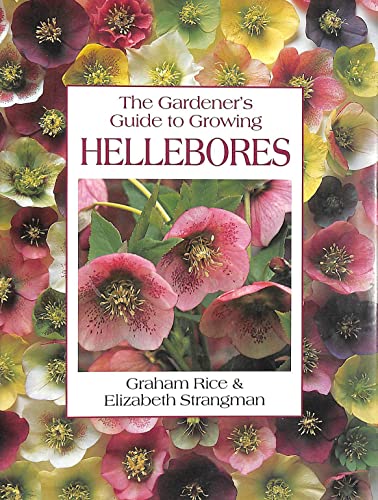
- The Gardener's Guide to Growing Hellebores
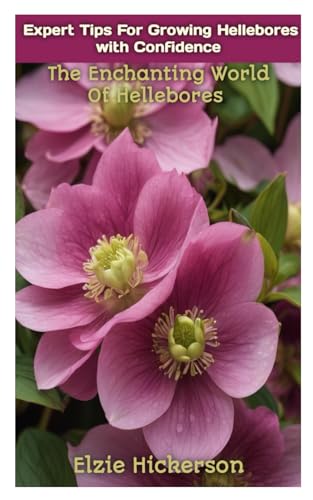
- EXPERT TIPS FOR GROWING HELLEBORES WITH CONFIDENCE: The Enchanting World Of Hellebores
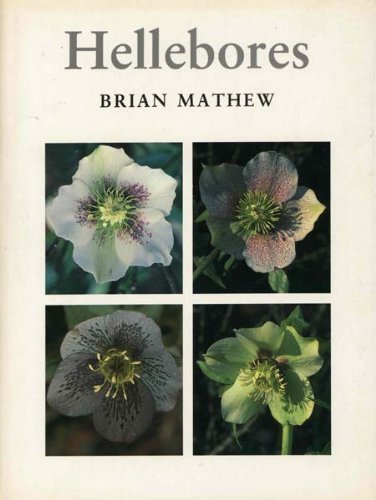
- Hellebores by Brian Mathew (1989-12-06)
- Gardener'S Guide - Hellebores
When to Plant Hellebores
The best time to plant hellebores is in early spring or autumn. Planting in spring allows the roots to establish before the hot summer months, whereas autumn planting gives them a head start before the winter chill. Ensure that your selected planting time corresponds with the weather conditions, as extreme heat or frost can stress young plants.
Planting Your Hellebores
When you are ready to plant, dig a hole that is about twice the size of the root ball. Place the plant in the hole, ensuring that the crown of the plant is level with the soil surface. Backfill with soil and gently firm it around the roots, making sure not to bury the crown. Water thoroughly after planting to eliminate air pockets, and apply a layer of mulch to retain moisture and suppress weeds.
Caring for Hellebores
Once planted, hellebores require minimal maintenance. Water them regularly, especially during dry spells, to ensure they establish well. Fertilise in early spring with a balanced fertiliser to promote healthy growth and blooming. Deadheading spent flowers can encourage further blooms and prevent the plants from self-seeding too aggressively. However, some gardeners prefer to leave the foliage in place to provide winter interest.
Encouraging Year-Round Blooms
To enjoy continuous blooms, consider planting hellebores alongside other companion plants that flower at different times. This layering of blooms can create a vibrant garden space throughout the year. In addition to hellebores, consider planting ferns, hostas, or spring-flowering bulbs that will complement their blooming period.
Protecting Hellebores from Pests
While hellebores are generally hardy, they can occasionally be susceptible to pests such as aphids or slugs. Keep an eye out for any infestations and treat them promptly with appropriate solutions. Regularly inspecting your plants will help you catch any issues early, ensuring your hellebores remain healthy and beautiful.
Enjoying Hellebores in Your Garden
Hellebores can be a stunning addition to any garden. Their unique blooms and foliage bring life to shady spots, and with proper care, they can thrive for many years. By following these tips, you will be well on your way to creating a lush garden that showcases the charm of hellebores throughout the seasons.