the enduring charm and resilience of hellebore flowers
Hellebores, often referred to as the Christmas or Lenten rose, are perennial flowers that showcase their beauty from late winter to early spring. These enchanting blooms not only grace gardens with their exquisite colours but also exhibit remarkable resilience to cold weather. In 2026, hellebores continue to capture the hearts of gardeners and flower enthusiasts alike, making them a must-have for any landscape.
The Unique Beauty of Hellebores
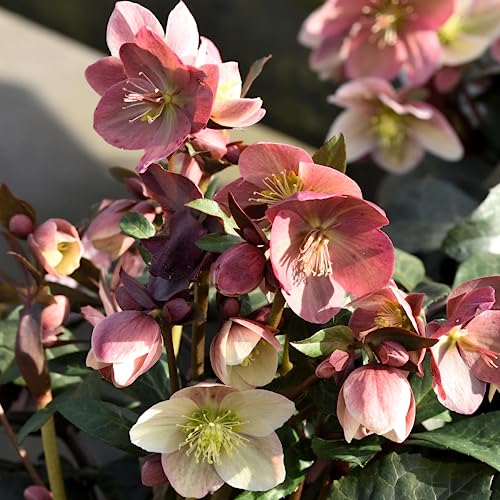
One of the most striking features of hellebores is their wide range of colours and forms. From soft pastels to vibrant jewel tones, these flowers come in hues of white, pink, purple, and even deep burgundy. Many varieties showcase intricate patterns, creating a visually captivating display. Unlike many other flowers, hellebores bloom during a time when most gardens lie dormant, providing a refreshing burst of life when it is needed the most. Their leathery, evergreen foliage also adds texture to the garden throughout the year.
Benefits of Growing Hellebores
Hellebores are not just beautiful; they offer numerous benefits to gardeners. Firstly, they are incredibly low-maintenance. Once established, hellebores thrive in a variety of conditions, including partial shade and well-drained soil. This makes them ideal for woodland gardens or shaded areas where other plants may struggle. Additionally, hellebores are known for their longevity, often living for many years with minimal care, which is a boon for gardeners who prefer perennials.
People Also Look For:
- Hellebores
- Helleborus Winter Sunshine - Christmas Rose Plant, Ground Cover Plants Evergreen, Hellebores Plants Garden Ready, Outdoor Plants S...
- Les hellebores aux jardins de bellevue
- Fingerprint Designs Hellebores Flowers Blooms Vases Fresh Vintage Wall Art Print
- Hellebores Flower Coloring Book: Discover the Enchanting Beauty of Hellebores A Winter Bloom Coloring Book.
Resilience to Adverse Conditions
One of the most admirable traits of hellebores is their ability to withstand harsh weather conditions. These hardy plants can flourish in temperatures as low as minus five degrees Celsius. Their unique structure allows them to resist frost and snow, often poking through the winter landscape with their blooms intact. This resilience makes them a reliable choice for gardeners in regions with challenging climates.
Cultural Significance and Uses
Hellebores have a rich history and cultural significance. Traditionally, they were associated with medicinal properties and were used in folk remedies. Today, their popularity has surged not only for their aesthetic appeal but also for their symbolism. Hellebores are often seen as a symbol of hope, rebirth, and resilience, making them a perfect addition to gardens designed for reflection and renewal.
Practical Advice for Growing Hellebores
For those looking to introduce hellebores into their gardens, there are a few practical steps to ensure success. Firstly, choose a location that receives partial shade, as full sun can be too harsh for these delicate blooms. Preparing the soil is crucial; incorporating organic matter will enhance drainage and nutrient availability. When planting, ensure that the crown of the plant is slightly above soil level to prevent rot.
Watering hellebores regularly during dry spells will help promote healthy growth, but be cautious of overwatering as this can lead to root rot. Mulching around the base of the plants can help retain moisture and suppress weeds. Additionally, removing spent flowers and leaves in the spring encourages new growth and keeps the plants looking tidy.
Varieties to Consider
There are numerous hellebore varieties to choose from, each offering unique characteristics. Helleborus orientalis is one of the most popular, known for its wide range of colours and robust nature. Helleborus niger, or the Christmas rose, provides pure white blooms, while Helleborus foetidus, also known as the stinking hellebore, features striking green flowers. For those seeking something different, consider Helleborus x hybridus, which showcases an array of colours and patterns, ensuring there is a variety to suit every gardener's taste.