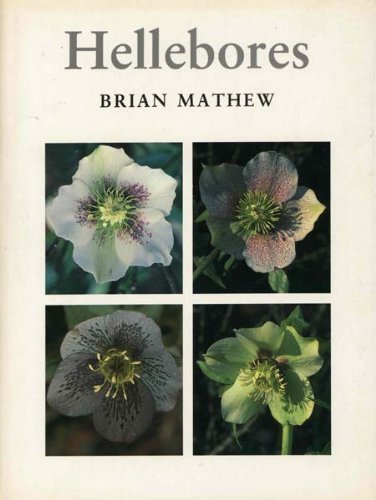
comparing hellebore varieties for winter colour and texture
Hellebores, often referred to as Christmas roses or Lenten roses, are perennial plants that bloom in the cold winter months. Their unique ability to bring life and colour to gardens during the dreary winter season makes them a popular choice among gardeners. With numerous varieties available, it can be challenging to choose the right ones that offer both stunning colour and interesting texture. In this article, we will delve into some of the most popular hellebore varieties, comparing their attributes to help you select the perfect addition to your winter garden.
Helleborus niger
Commonly known as the Christmas rose, Helleborus niger features striking white flowers that often bloom from late winter to early spring. The flowers have a delightful cup shape and can sometimes develop a pink hue as they mature. This variety is particularly cherished for its glossy, dark green foliage, which provides a beautiful contrast to the white blooms. Planting Helleborus niger in a sheltered spot can enhance its growth, as it prefers partial shade and well-drained soil.
Helleborus orientalis
Helleborus orientalis, or the Lenten rose, is famous for its wide range of colours, including shades of purple, pink, and even deep black. These flowers tend to have a more complex form, often featuring intricate markings that add to their charm. The leathery leaves of Helleborus orientalis are a deep green, providing an excellent backdrop for the vibrant blooms. These plants thrive in dappled shade and can handle a variety of soil conditions, making them quite versatile for different garden settings.
People Also Look For:
- Fingerprint Designs Hellebores Flowers Blooms Vases Fresh Vintage Wall Art Print
- HELLEBORES: Christmas Rose, Lenton Rose
- A Complete Guide to Growing Lush Hellebores (Lenten Roses): Discover the Best Practices for Planting, Growing, and Maintaining Hea...
- Still Life with Hellebores: From the Kate Green Journal Collection
- Hellebores: Field Guide to identifying Helleborus in the UK (The Cribs: Field Guides)
Helleborus foetidus
This variety, known as the stinking hellebore, is often overlooked due to its more subdued colours, which range from pale green to yellowish hues. However, its unique charm lies in the structure of its flowers, which have a delicate, nodding appearance. Helleborus foetidus features attractive, palmate leaves that can add a lush texture to your winter garden. While this variety prefers well-drained soil, it is quite hardy and can tolerate full shade, making it an excellent choice for woodland gardens.
Helleborus argutifolius
The Corsican hellebore, or Helleborus argutifolius, showcases a more upright growth habit compared to other varieties. Its flowers are typically greenish-white, with a striking appearance that stands out in winter landscapes. The leaves are spiny and serrated, adding a noticeable texture that contrasts with the smoothness of other hellebores. This variety is particularly resilient, thriving in poor soil conditions and full shade while making a stunning statement in any garden.
Cultural Tips for Growing Hellebores
Combining Varieties for Maximum Impact
For a visually striking display, consider planting hellebores in groups of three or five, mixing different varieties to create a tapestry of colour and texture. Combining the pure white blooms of Helleborus niger with the rich tones of Helleborus orientalis can provide a beautiful contrast. Additionally, incorporating evergreen shrubs or other winter perennials can enhance the visual interest of your garden throughout the colder months.