choosing the perfect hellebores for different garden styles
Hellebores, also known as the Christmas rose or Lenten rose, are enchanting perennial flowers that bloom from late winter to early spring. Their delicate blossoms and rich foliage make them a favourite among gardeners. As we move into 2026, many people are looking to enhance their gardens with these resilient plants. However, choosing the right hellebores for your specific garden style can be a daunting task. This guide will help you select the perfect hellebores to complement your garden's aesthetic, whether it be a contemporary, cottage, or woodland theme.
Contemporary Gardens
In a contemporary garden, clean lines and minimalism are essential. Here, hellebores can be used to create striking focal points. Opt for varieties with bold colours such as 'Penny's Pink' or 'Black Diamond', which feature deep, rich hues that stand out against a backdrop of sleek stone or gravel. Consider planting them in clusters to create a dramatic impact. To maintain the modern aesthetic, pair hellebores with architectural plants like ornamental grasses or clipped boxwood. This will create a contrast that highlights the elegance of the hellebore blooms while keeping the overall design crisp.
People Also Look For:
- A Complete Guide to Growing Lush Hellebores (Lenten Roses): Discover the Best Practices for Planting, Growing, and Maintaining Hea...
- Hellebores: Field Guide to identifying Helleborus in the UK (The Cribs: Field Guides)
- Helleborus Star of Passion - Christmas Rose & Ground Cover Plant Evergreen, Hellebores Plants Garden Ready, Outdoor Plants Shade L...
- A Complete Guide to Growing Lush Hellebores (Lenten Roses): Discover the Best Practices for Planting, Growing, and Maintaining Hea...
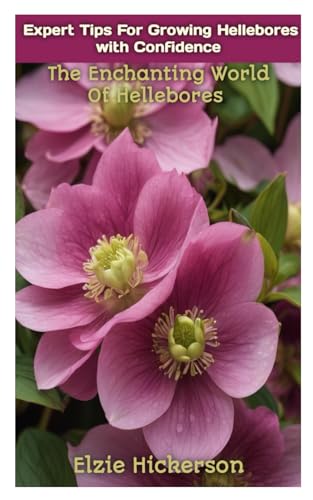
- Hellebores Flower Coloring Book: Discover the Enchanting Beauty of Hellebores A Winter Bloom Coloring Book.
Cottage Gardens
Cottage gardens are known for their lush, romantic style filled with a mix of flowers and foliage. Hellebores fit perfectly into this picturesque setting, as their soft, nodding flowers add a touch of charm. Choose varieties like 'Misty Blue' or 'Double Ellen' for their soft pastel colours and intricate petal formations. To enhance the cottage vibe, plant hellebores alongside traditional favourites such as foxgloves, delphiniums, and daisies. Layering plants at different heights can create a lush, inviting atmosphere. Additionally, consider incorporating companion plants that provide foliage contrast, such as ferns or hostas, to enrich the visual texture of your garden.
Woodland Gardens
If you are fortunate enough to have a woodland garden, hellebores are a natural choice. Their ability to thrive in dappled light makes them an ideal candidate for under trees or in shaded areas. Varieties such as 'Harvington' or 'Snow Frills' are perfect for creating natural drifts of colour among the leaf litter. When selecting hellebores for a woodland setting, consider planting them in groups for an organic look. They pair beautifully with other shade-loving plants like trilliums, wild garlic, or hostas. To create a more layered appearance, mix in some spring-flowering bulbs like snowdrops or bluebells, which will bloom before the hellebores and provide a succession of colour in your garden.
Formal Gardens
In a formal garden, structure and symmetry are key, and hellebores can add a sophisticated touch. Choose varieties with well-defined shapes and colours, such as 'Green Corsican' or 'Pink Frost'. Plant them in precise patterns or geometric layouts to enhance the formal design. For an elegant display, align hellebores along pathways or borders, creating a sense of order in your garden. To complement the refined look, pair them with clipped topiaries or neatly trimmed hedges. The clean lines of these plants will contrast beautifully with the soft, delicate forms of hellebores, thus adding depth and interest to your formal garden.
Tips for Selecting Hellebores
When choosing hellebores, consider the following tips to ensure successful growth and blooming: select healthy plants from reputable sources, check for signs of disease, and choose varieties that are suited to your climate zone. Additionally, consider the soil type and drainage, as hellebores prefer well-drained, humus-rich soil. Regular maintenance, such as deadheading spent blooms and removing old foliage, will also promote vigorous growth and prolong the flowering period. With these considerations in mind, you can confidently select hellebores that will thrive in your garden style.