expert insights on hellebores for yearround beauty and health
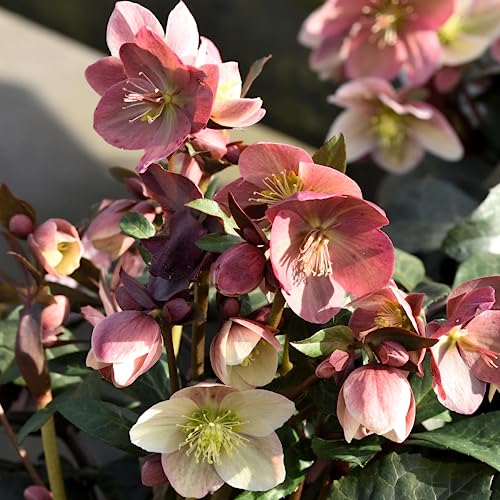
Hellebores, often referred to as the Christmas rose or Lenten rose, are perennial flowers that defy the typical seasonal cycle. Blooming in late winter to early spring, these resilient plants offer a splash of colour when most gardens are still dormant. In 2026, there is growing interest in hellebores not only for their beauty but also for their health benefits, making them a fantastic addition to any garden.
Understanding Hellebores
Hellebores belong to the Ranunculaceae family and can thrive in various conditions. They are shade-loving plants, making them perfect for woodland gardens or shaded areas of your landscape. Their flowers come in a variety of colours including white, pink, purple, and green, each with unique markings. Understanding the specific needs of these plants is essential for successful cultivation.
Choosing the Right Variety
When selecting hellebores for your garden, consider the various species and hybrids available. The most common types include Helleborus niger, Helleborus orientalis, and Helleborus foetidus. Helleborus niger is known for its pure white flowers and early bloom time, while Helleborus orientalis produces a broader range of colours and is popular for its long-lasting blooms. Helleborus foetidus, on the other hand, offers striking green flowers and has distinctive foliage. Each variety has its charm, allowing you to create a stunning display in your garden.
People Also Look For:
- EXPERT TIPS FOR GROWING HELLEBORES WITH CONFIDENCE: The Enchanting World Of Hellebores
- Helleborus Winter Sunshine - Christmas Rose Plant, Ground Cover Plants Evergreen, Hellebores Plants Garden Ready, Outdoor Plants S...
- Helleborus Angel Glow - Christmas Rose Plant, Ground Cover Plants Evergreen Hellebores Plants Garden Ready, Outdoor Plant Shade Lo...
- Still Life with Hellebores: From the Kate Green Journal Collection
- Hellebores by Brian Mathew (1989-12-06)
Planting and Care Tips
For optimal growth, hellebores prefer well-drained soil that is rich in organic matter. When planting, it is advisable to dig a hole that is twice the width of the root ball but just as deep. Position them in a spot where they will receive dappled shade, as too much sun can scorch their leaves. Regular watering is crucial, especially during dry spells; however, be cautious not to overwater as this can lead to root rot.
Pest and Disease Management
While hellebores are generally resilient, they can still fall prey to pests such as aphids and slugs. Regular inspection of your plants will help catch any issues early. If aphids are present, a gentle spray of water can dislodge them, or you may opt for insecticidal soap for a more robust solution. Slugs can be managed by placing barriers such as crushed eggshells or copper tape around the plants.
The Health Benefits of Hellebores
Beyond their aesthetic appeal, hellebores possess several health benefits. Historically, they have been used in traditional medicine for their anti-inflammatory properties. Their leaves and roots contain compounds that can be beneficial for various ailments. However, caution is advised as parts of the plant are toxic if ingested, so it is crucial to keep them out of reach of pets and children.
Creating a Year-Round Display
Hellebores can be an integral part of a year-round garden design. Their early blooms can be complemented by later flowering plants such as tulips and daffodils, creating a stunning transition in your garden. Moreover, their foliage remains attractive throughout the year, providing structure and colour even in the winter months. Companion planting with other shade-loving perennials can enhance your garden's visual appeal while maximising the health benefits of your plants.
Conclusion
Incorporating hellebores into your garden offers a unique opportunity for year-round beauty and health. With their diverse range of colours, low maintenance requirements, and historical health benefits, these perennial flowers are a must-have for any garden enthusiast looking to add character and vitality to their outdoor space.